Chapter 4: Re-define ‘Conservation’
Having said so much, let’s get to the heart of the issue: How can we coexist with wildlife in a world that’s increasingly shaped by human impact?
It’s important to remember that the wildlife was here long before us before urban development encroached on their habitat. Now, as they venture and try to adapt to human-impacted spaces, many see them as a problem. Complaints arise, frustration grows, and people struggle to find a way to live alongside these creatures.
At LPP, we’ve developed countless educational materials, contents, and guides on how to coexist with wildlife, but the answer is actually simpler than we often think. It comes down to — Respect. What does respect for wildlife truly mean? Do they need to be treated like pets and pampered? Respecting wildlife doesn’t mean treating them like pets or feeding them. It’s about allowing them the space to remain wild.

A group of lovely macaques in the wild showcases their natural behaviours, busily foraging for food, grooming one another, and caring for each other in an affectionate display.
Think about it this way: How would you react if someone stared at you on the street, threw food or waste into your house, or invaded your personal space without asking. You’d feel uncomfortable, right? Would you be alert and guard against it? The same logic applied to wildlife. Watching them from a distance, not making eye contact, and letting them be – these are simple yet profound ways we can show respect and allow them to live as they should.
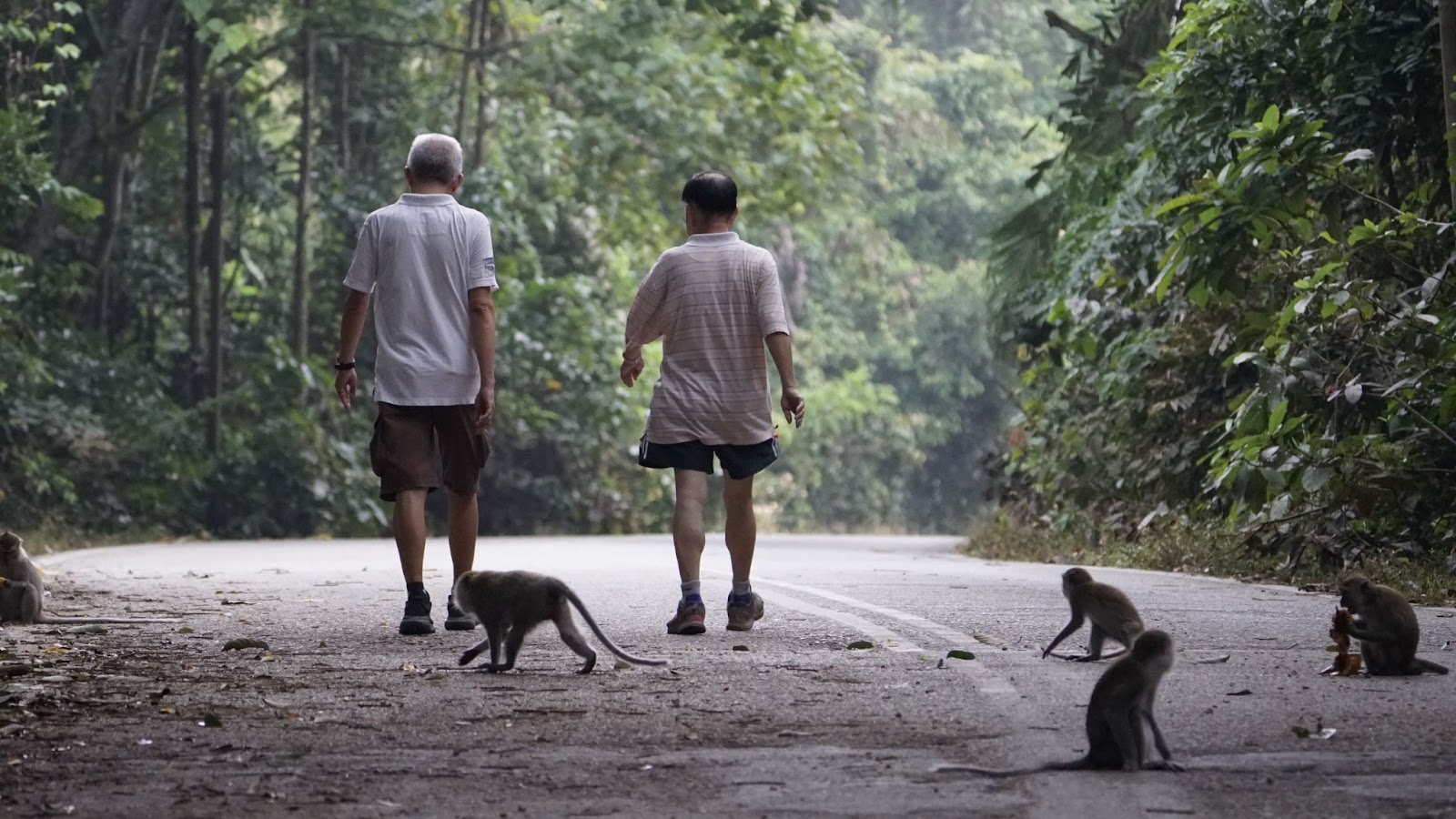
They don’t need our interference; they need our respect. Respecting, and keeping wildlife wild is a way to protect both their lives and yours. (Photo credit: Jo Leen)
In my nearly two years with LPP, I’ve come to witness how adaptable wildlife can be, and how resilient nature is when given the chance. Sometimes, it’s just about pausing for a moment and paying attention to what’s around you. The next time you’re outside, note how many species you can spot in a day. You’ll be surprised by the diversity of life that surrounds us.

Ah Tan, the alpha male of the troop, is sitting under the rooftop for hours for several days in a row taking the time he needs to rest and heal after breaking his tail. This shows how adaptable and resilient wildlife can be. They know what’s best for themselves, and they have the support of their own family.
LPP is a niche initiative in Malaysia, especially in Penang. What it does is new, challenging and often questioned, but the sincerity and enthusiasm driving this work are undeniable. The goal isn’t to romanticise nature but to understand it, respect its processes, and find ways to coexist within it. It’s not about fixing everything; it’s about making positive changes wherever and whenever we can with everyone.
It’s like one of my favourite quotes from Down to Earth by Zac Efron: “Change has to start somewhere, and even if it’s a little uncomfortable at first, if the change is for the better, it’s worth it. Maybe it’s time we all change, just a little bit, what we can, where we can before it’s too late.”
I hope this reflection offers a small push in that direction in terms that inspire others to look at nature, conservation, and coexistence differently.
As I move on from LPP, I do so with a deep sense of gratitude. It has been a critical stepping stone in my life, shaping me in ways I never imagined. The lessons I’ve learnt— about wildlife, people, and the interconnectedness of everything will stay with me forever and wherever I go.
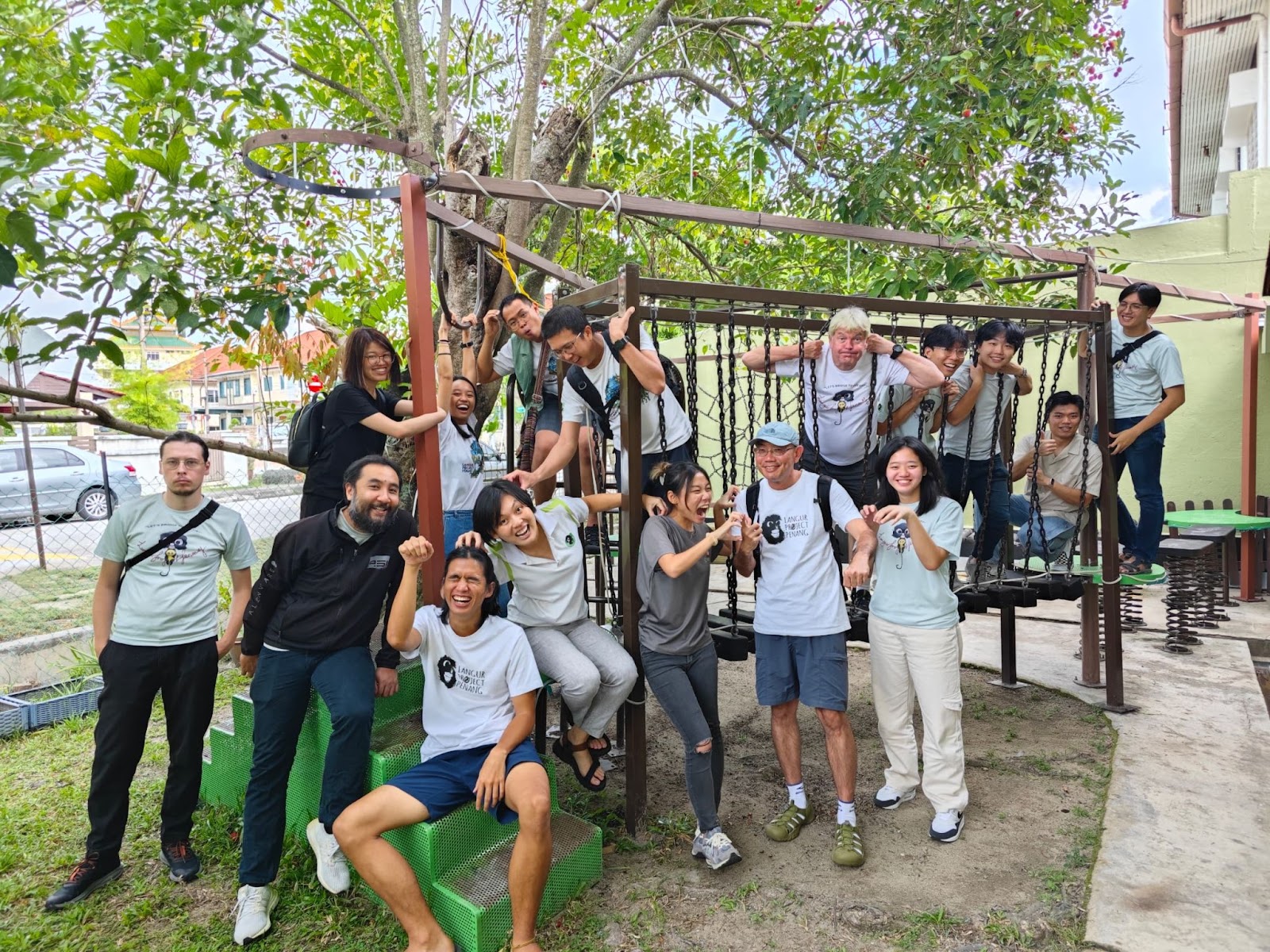
Thank you, LPP, for everything. ❤
Signing off,
Joey
 Langur Project Penang (LPP)
One Comment Add yours